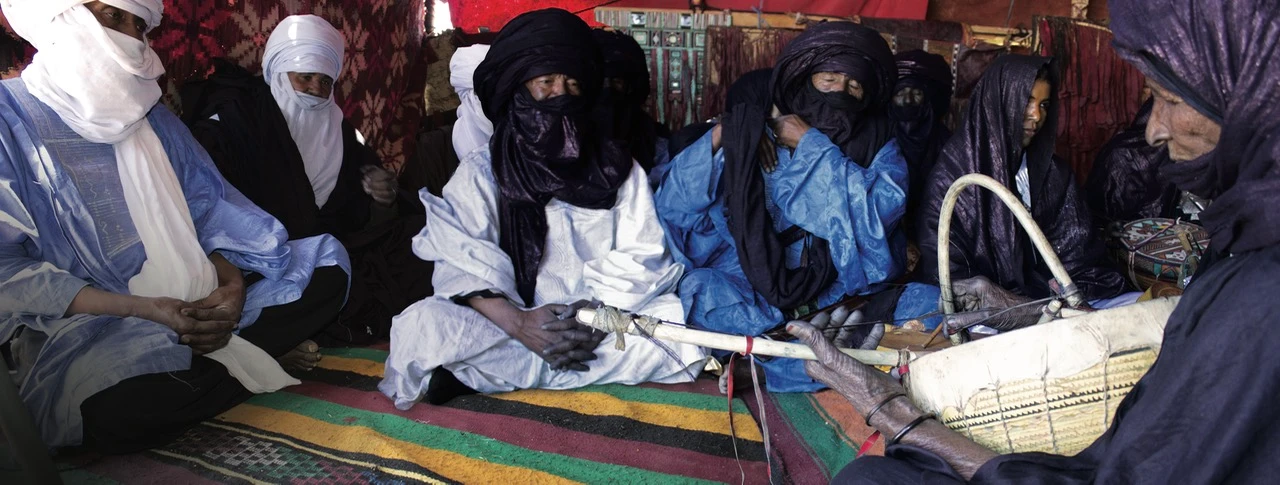
Tuareg society, tamust n’imajighen, has always been organised as a whole articulated around several tribes. Within these, individuals are divided into overlords (nobles, religious figures…) and dependent groups (artisans, freedmen…).
The geographer Duveyrier, who explored the Sahara in the 19th century, relates that the Tuareg had told him « We are Imohagh, Imochagh, Imajighen » and that their language « according to the dialect of the tribe, is called tamachaqor tamahaq ». They had specified that « these words stem from the same root, the verb iohagh, which means : he is free, he is independent, he plunders ». And they had added, concerning the origins of each tribe, « our whole is mingled and interwoven like the fabric of a tent into which camel hair enters with sheep’s wool. One must be skilful to draw the distinction between the hair and the wool. Yet we know that each of our many tribes comes from a different land. »
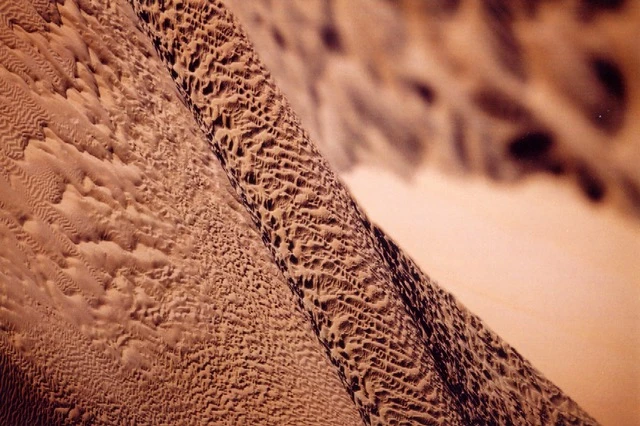
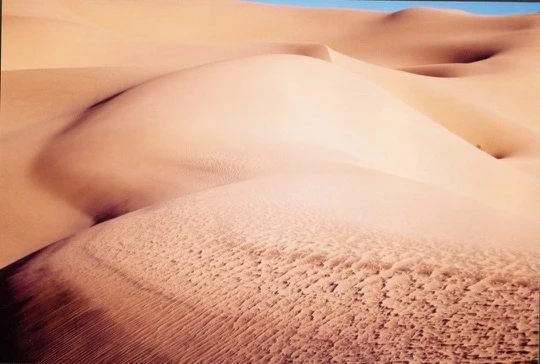
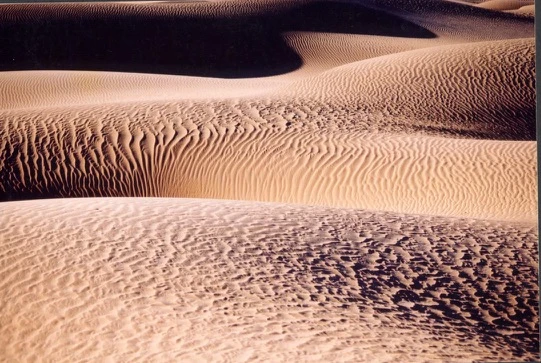
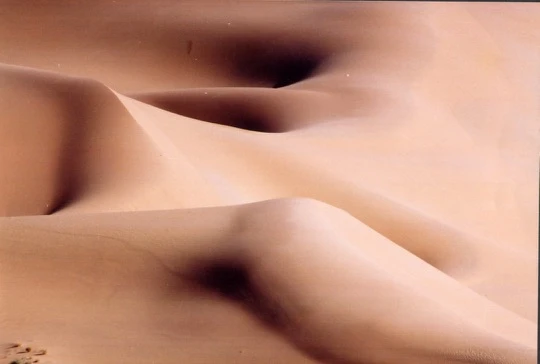
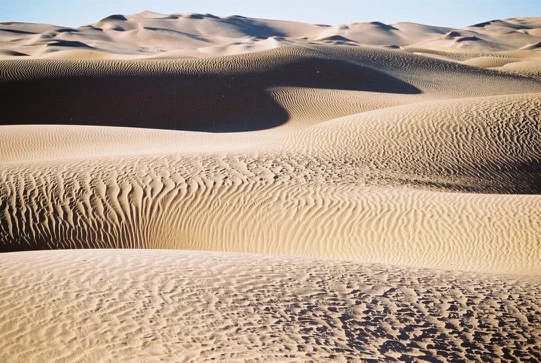
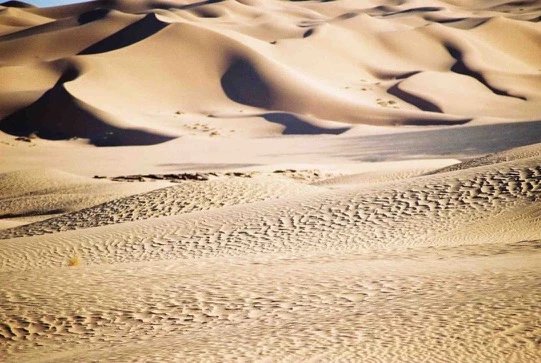
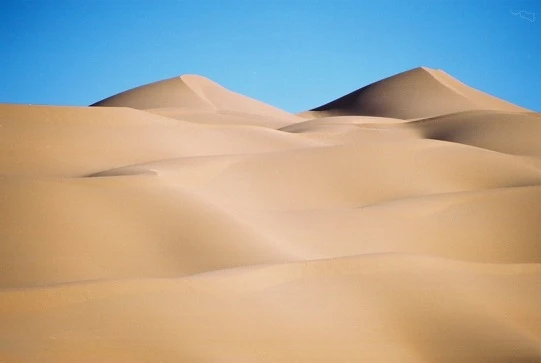
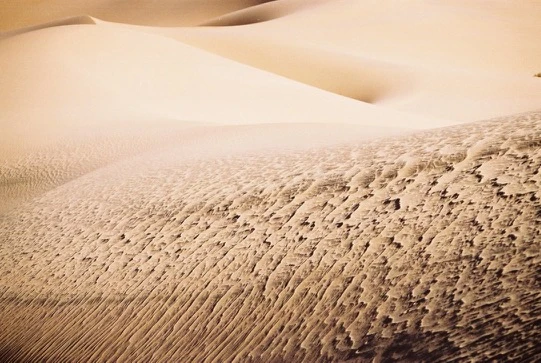
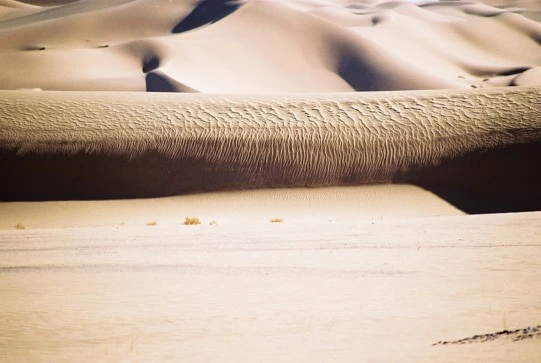
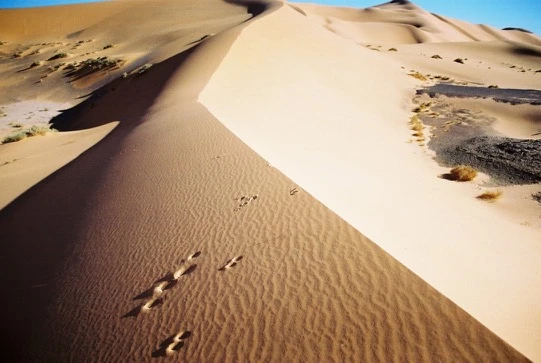
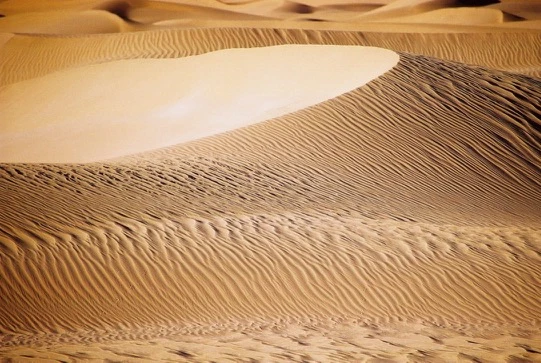
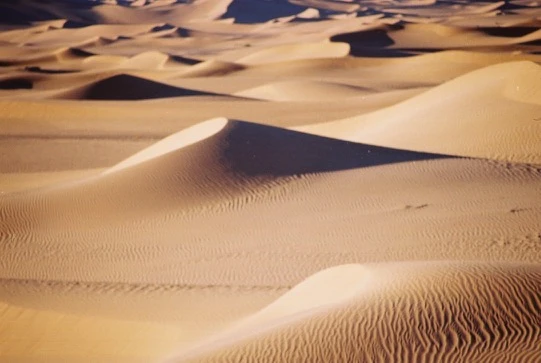
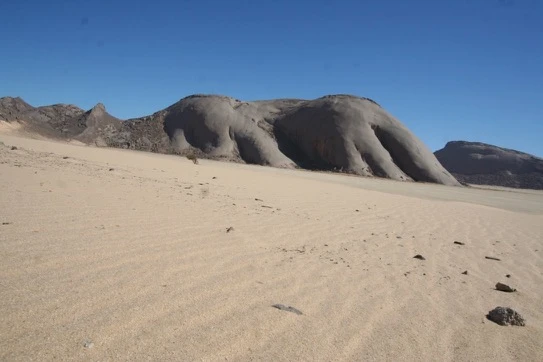
Dunes of the Algerian Sahara Tidikelt, Gourara, Couronne de la Saoura...
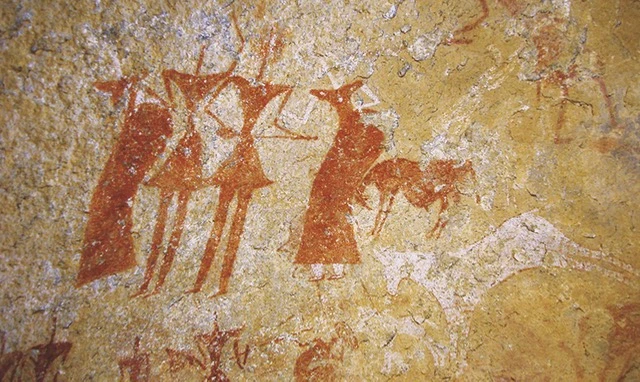
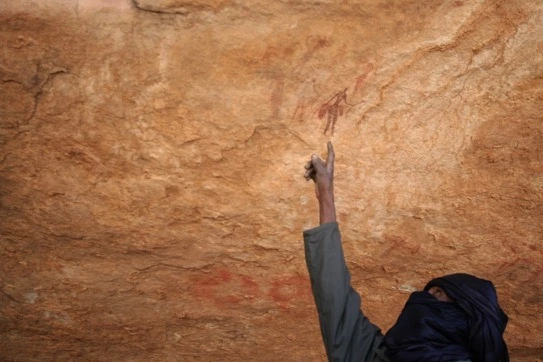
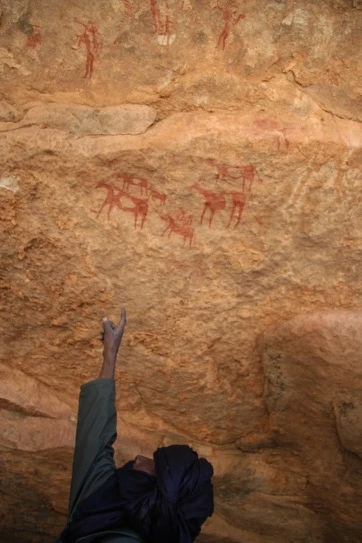
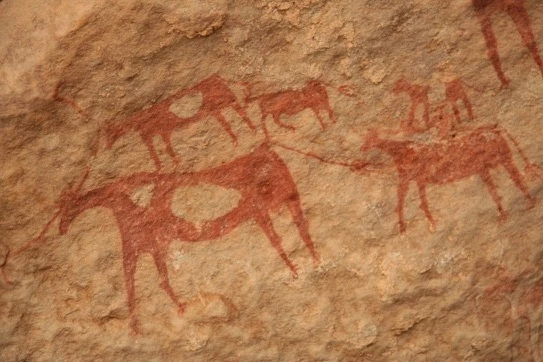
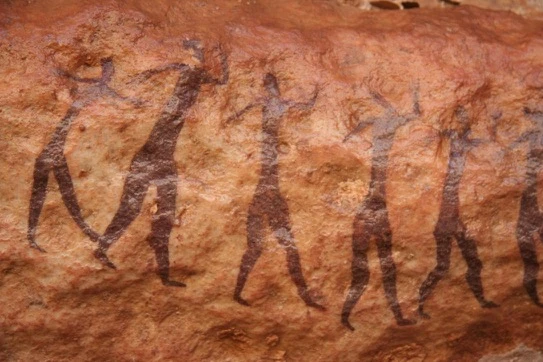
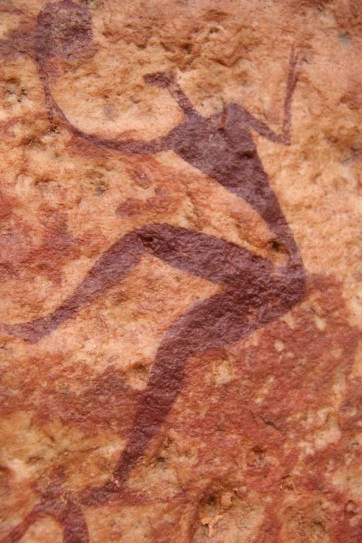
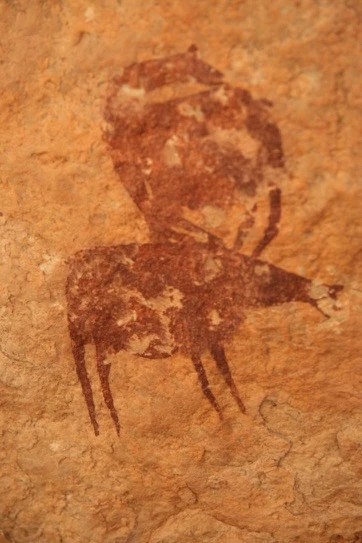
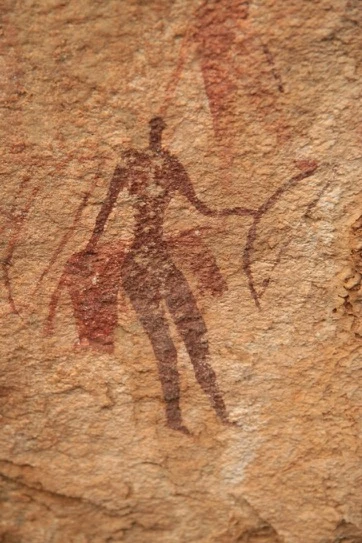
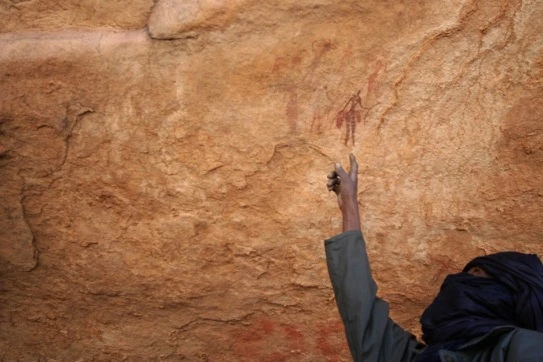
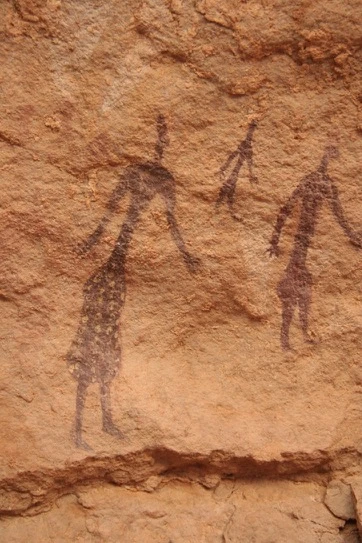
Rock paintings of Tin Meksis
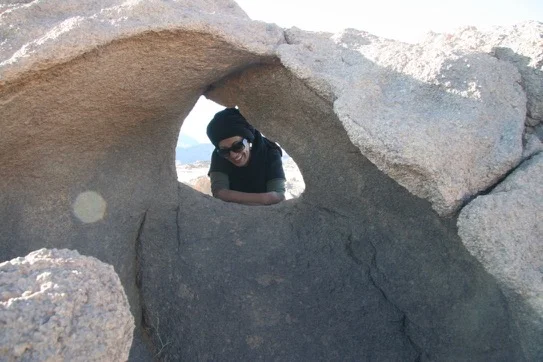
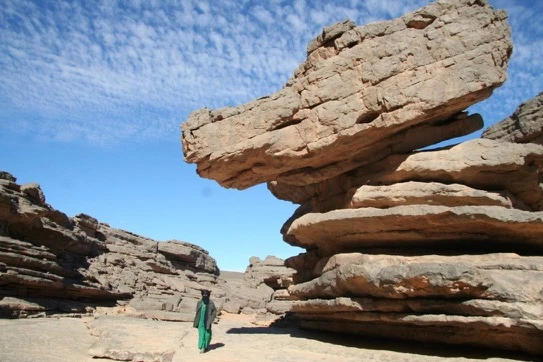
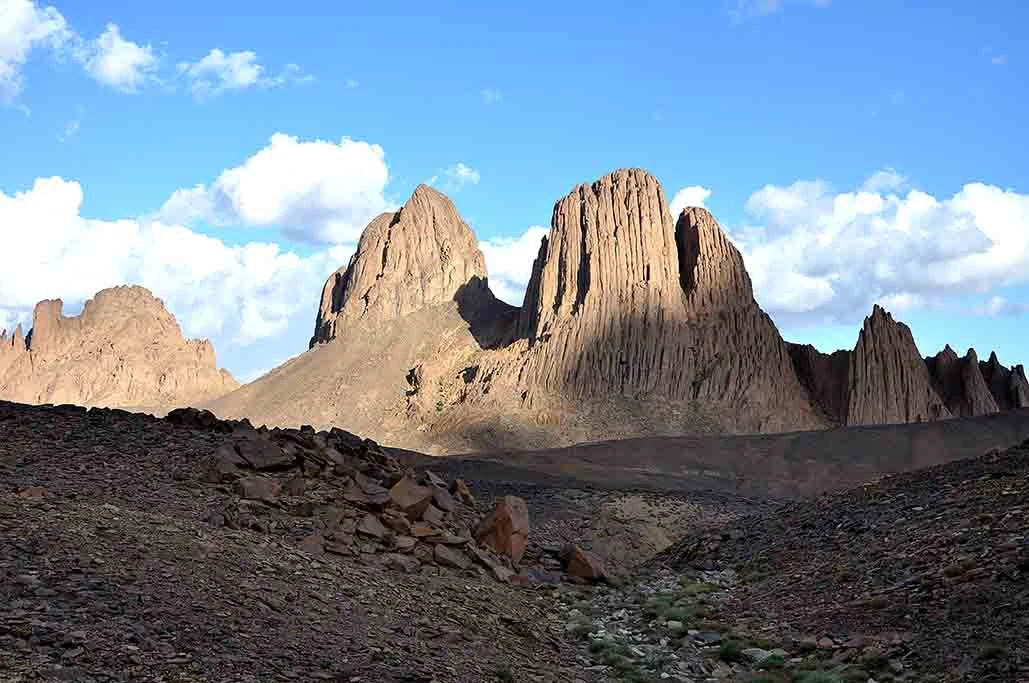
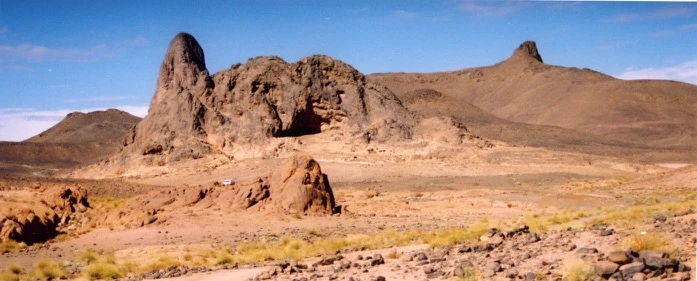
On the way to the discovery of the rock paintings of Tin Meksis, to the north-east between Arak and Amguid in the Hoggar
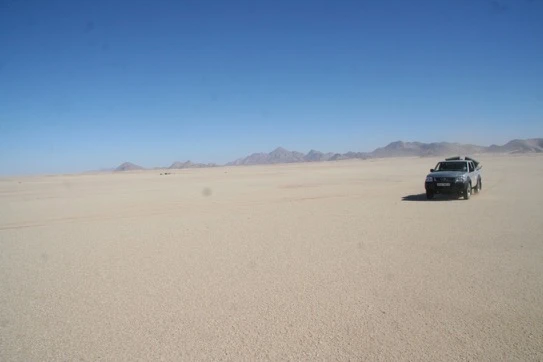
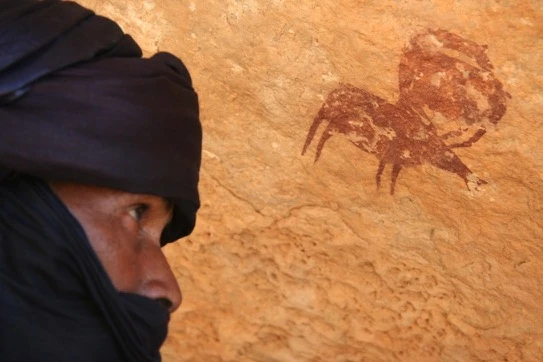
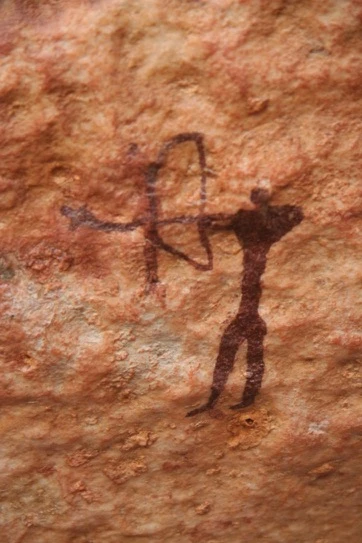
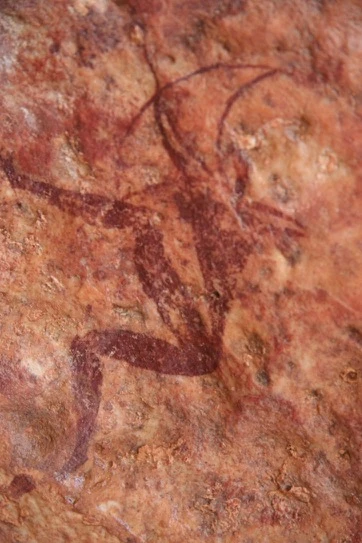
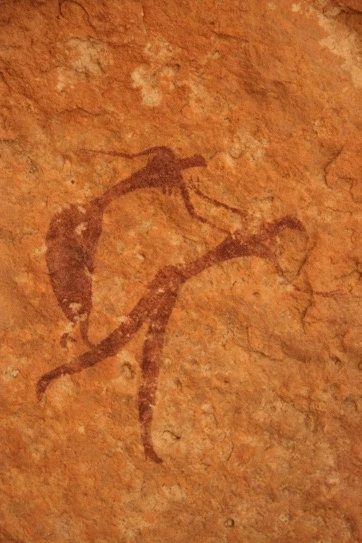
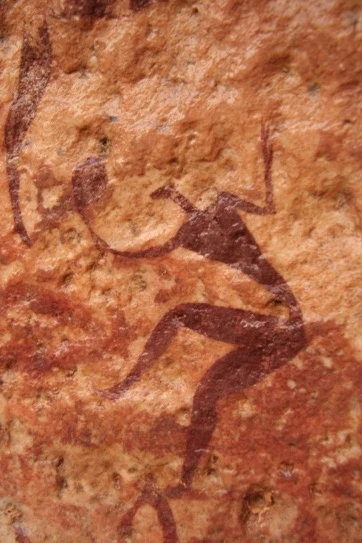
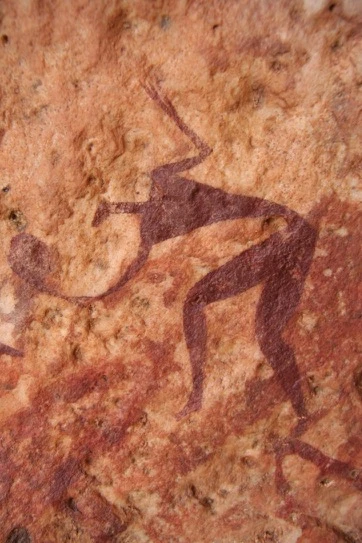
Tagrera de l'Ahaggar
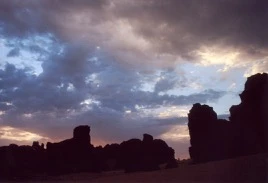
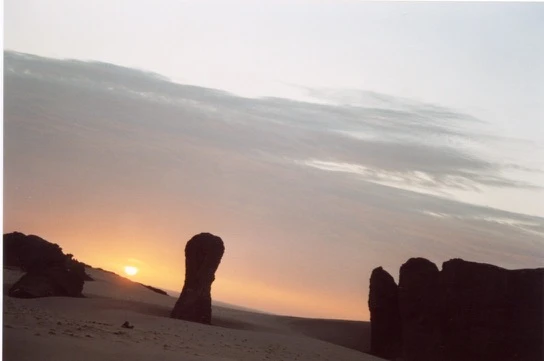
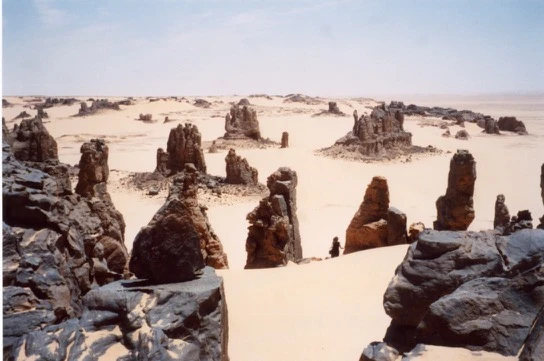
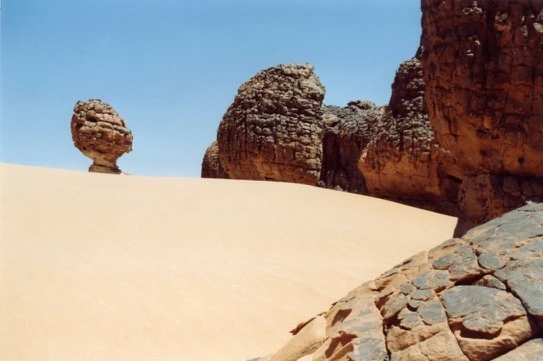
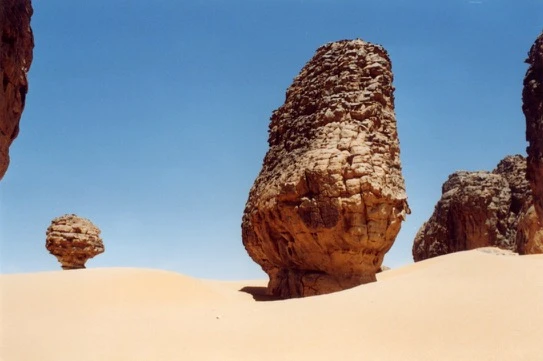
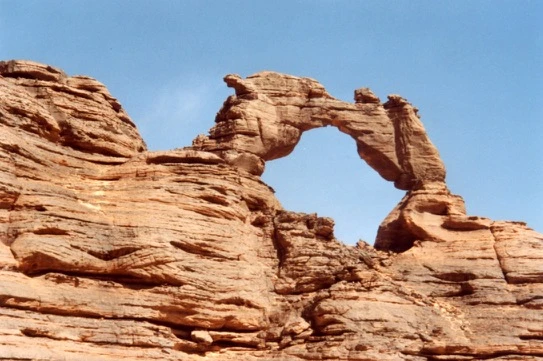
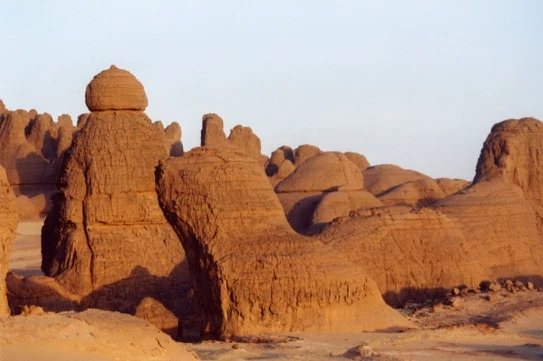
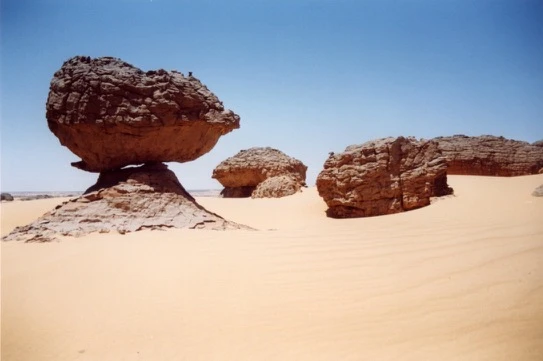
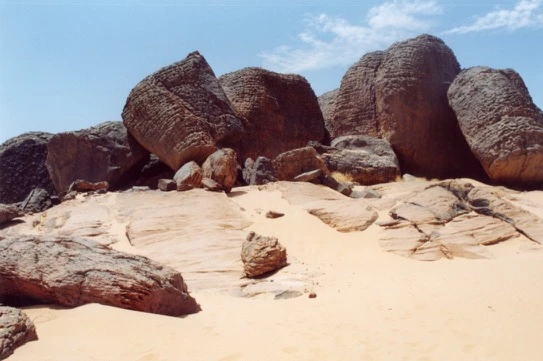
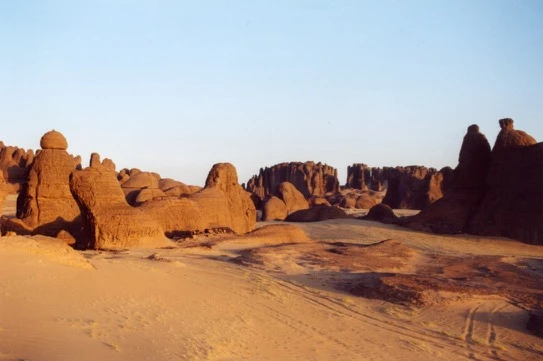
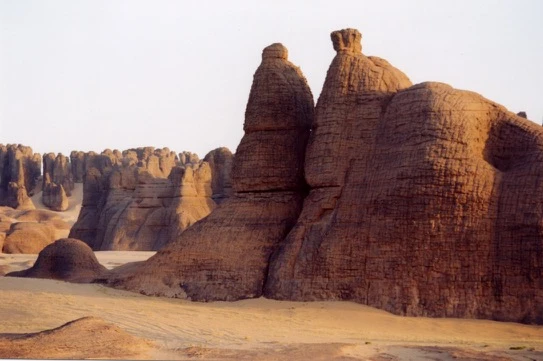
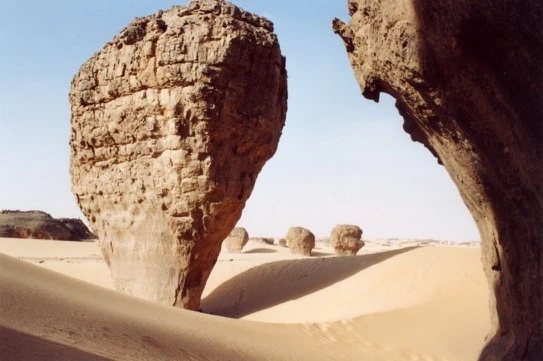
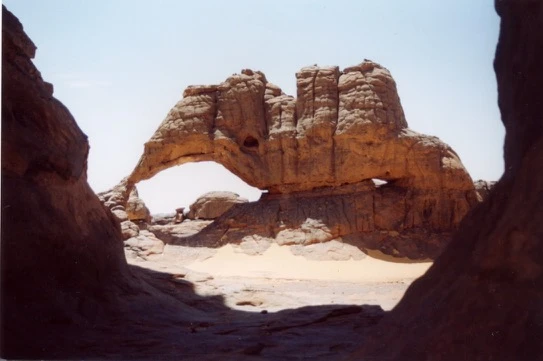
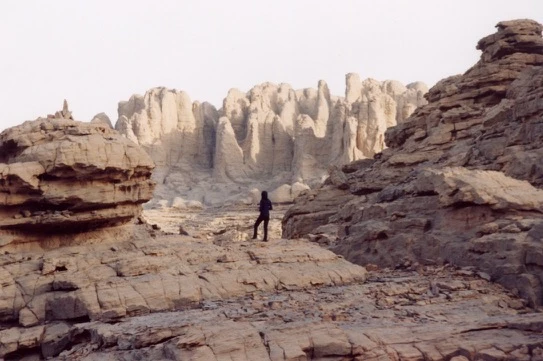
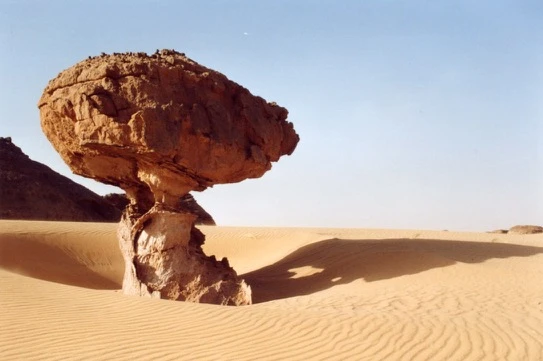
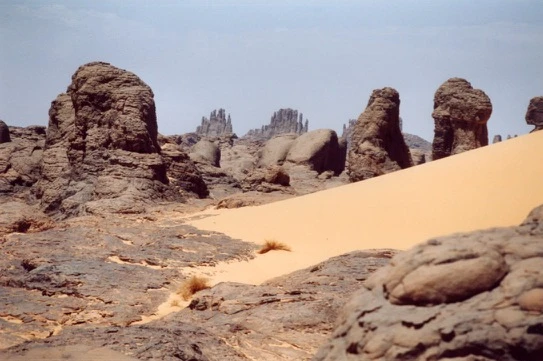
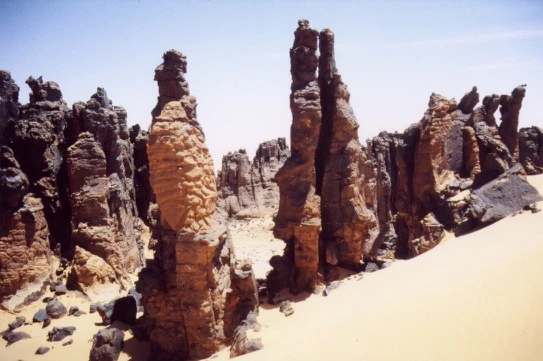
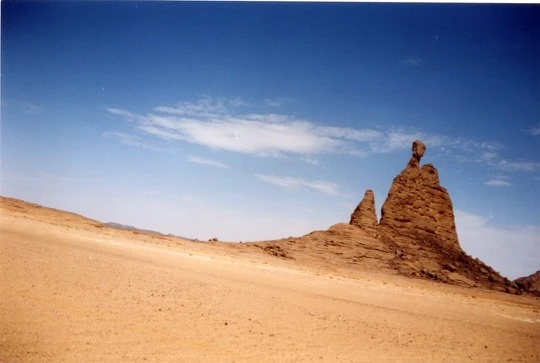
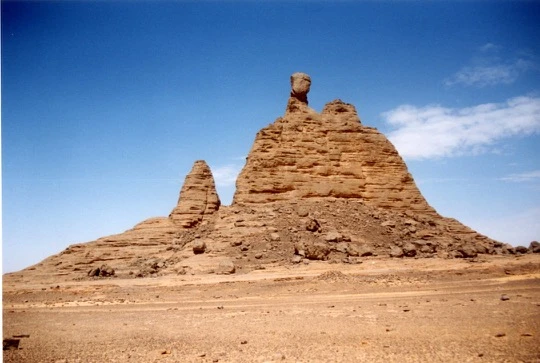
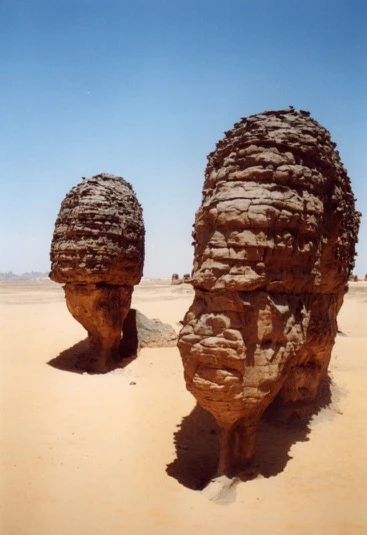
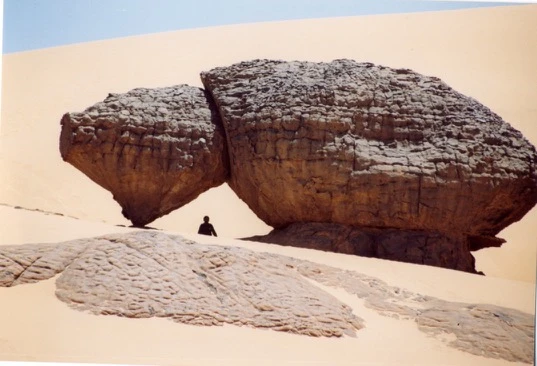
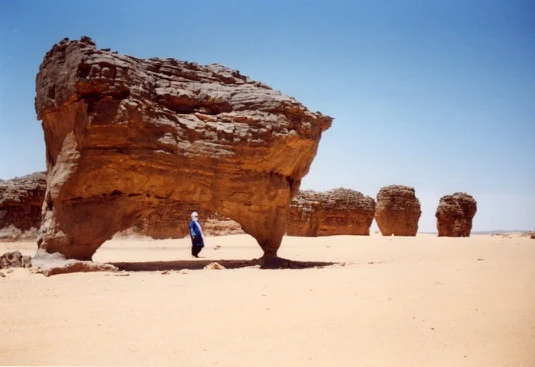
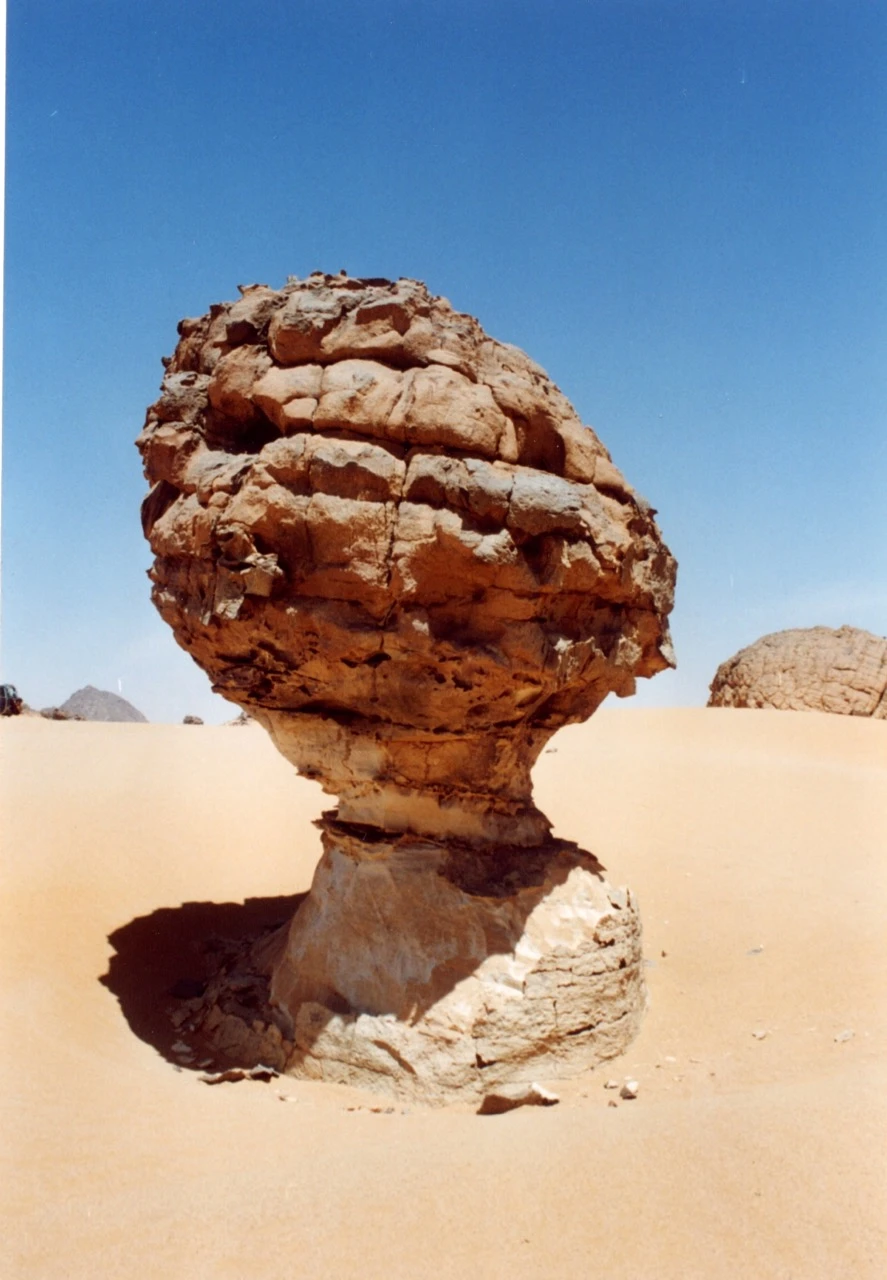
The ASSEKREM from sunrise to sunset
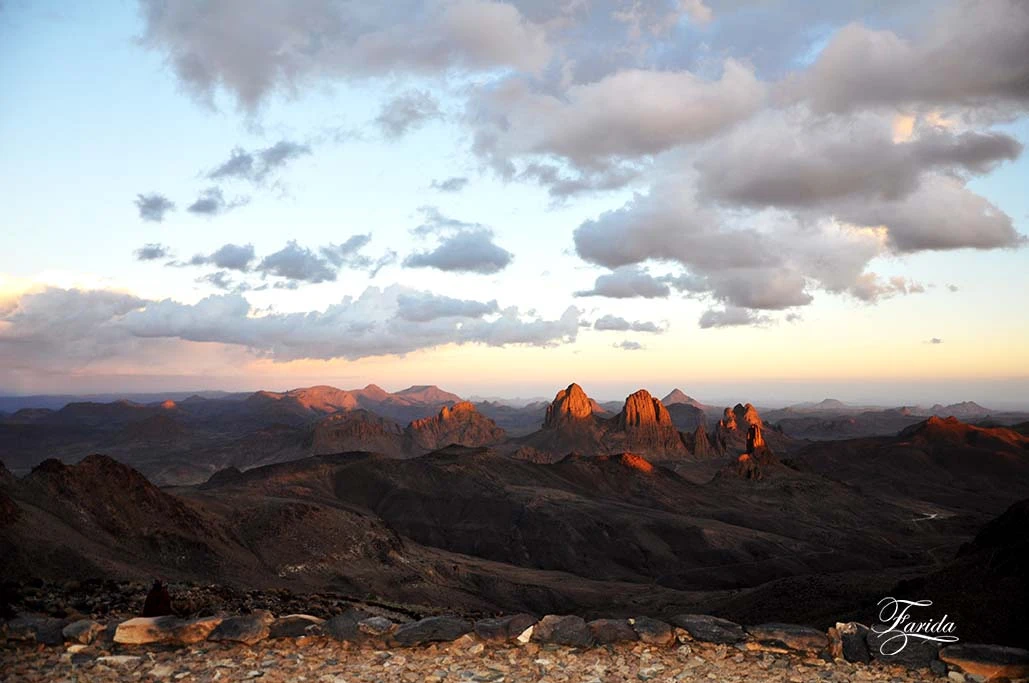
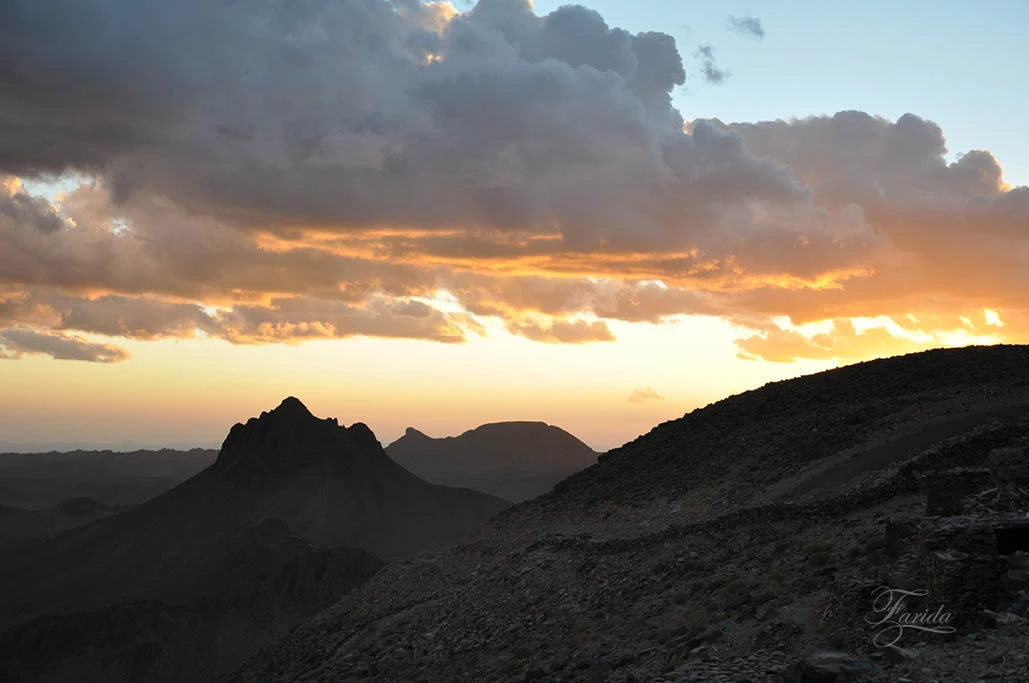
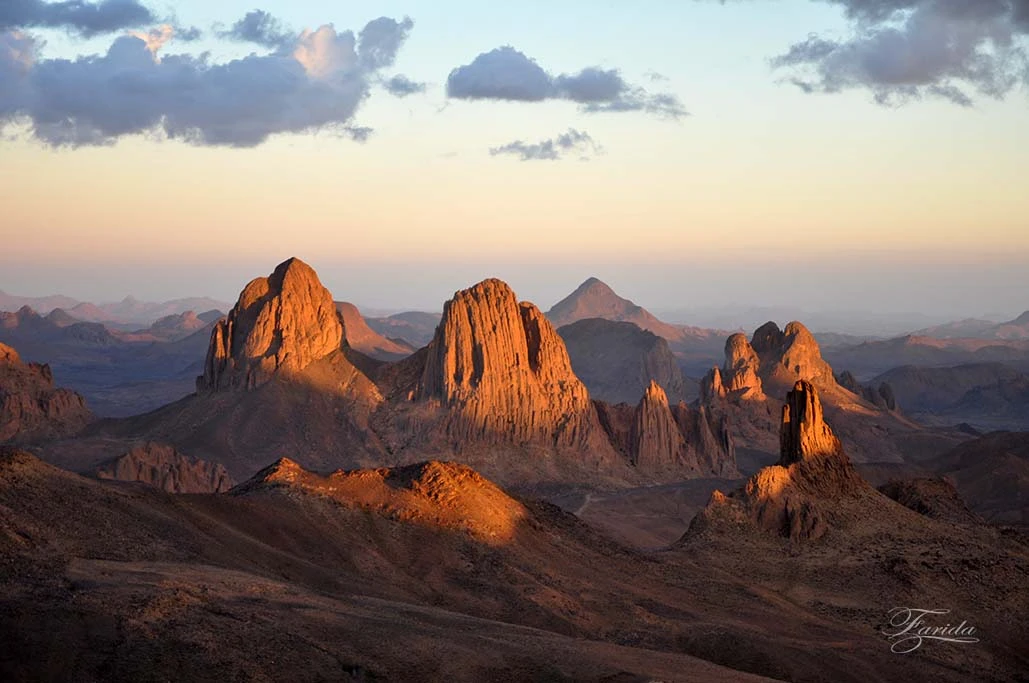
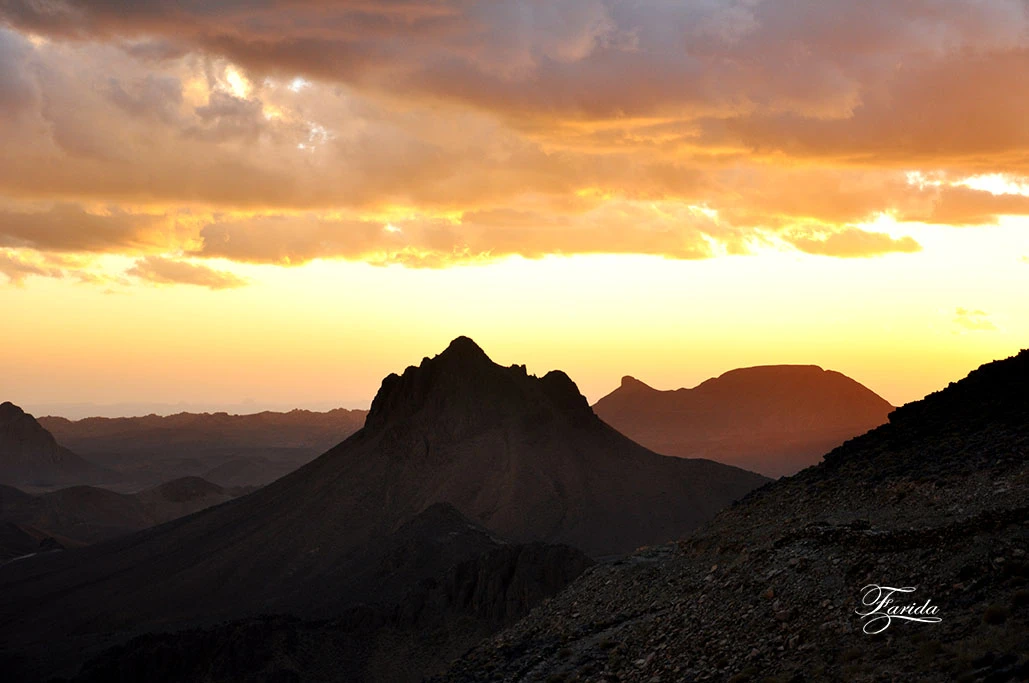
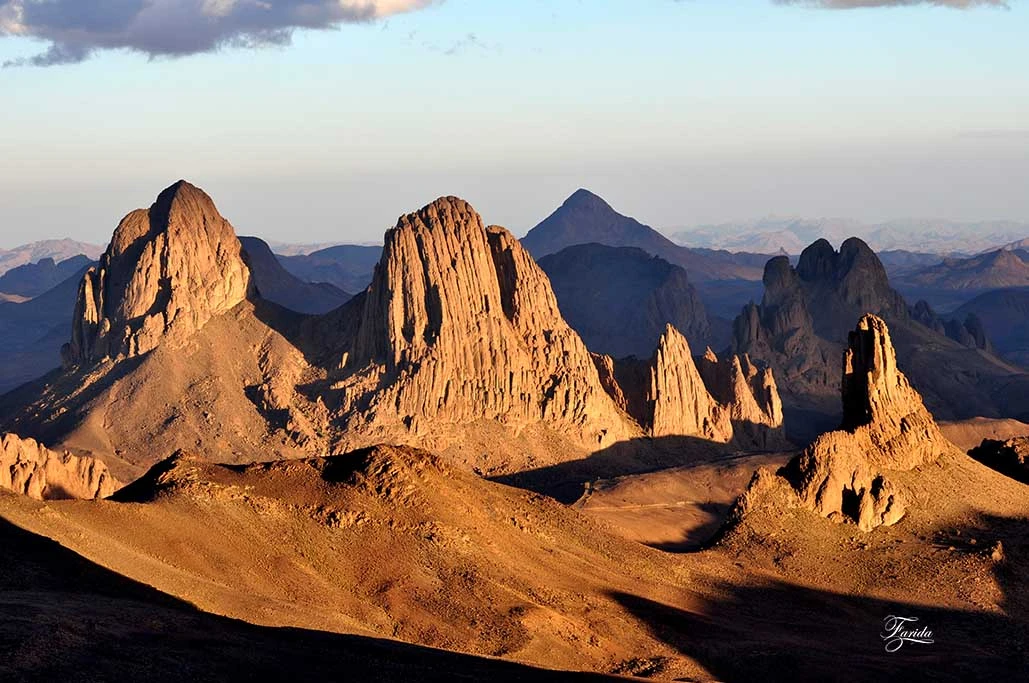
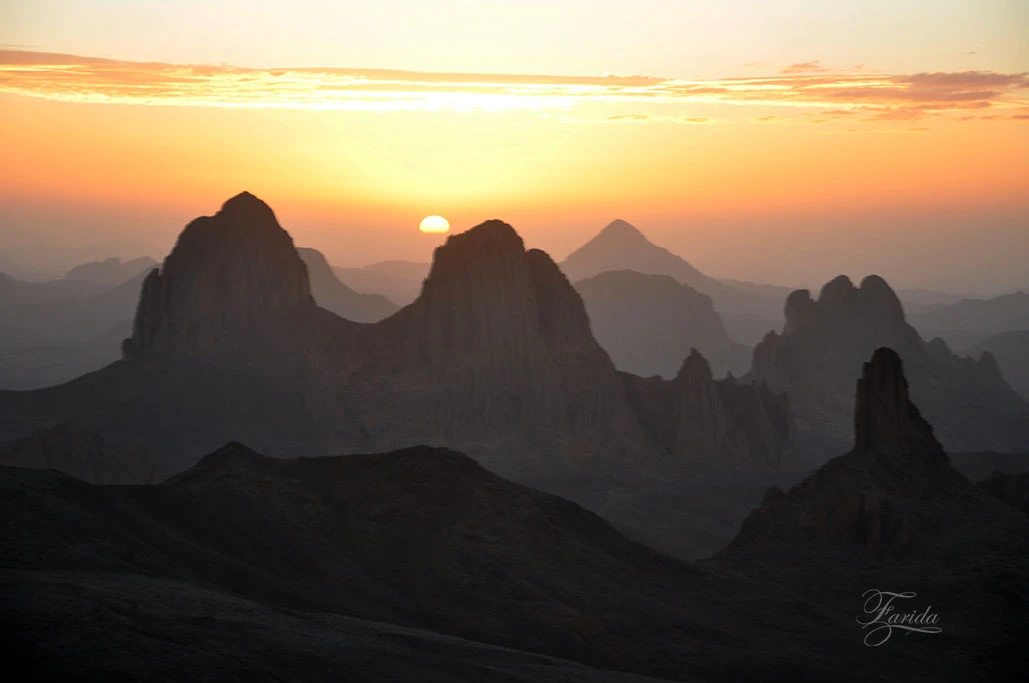
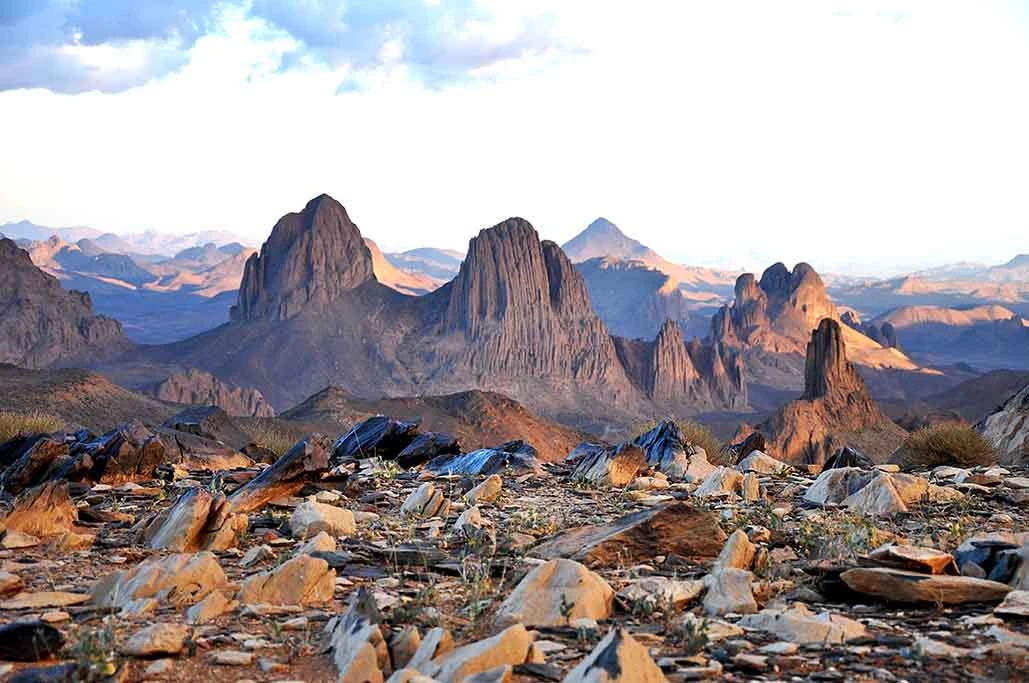
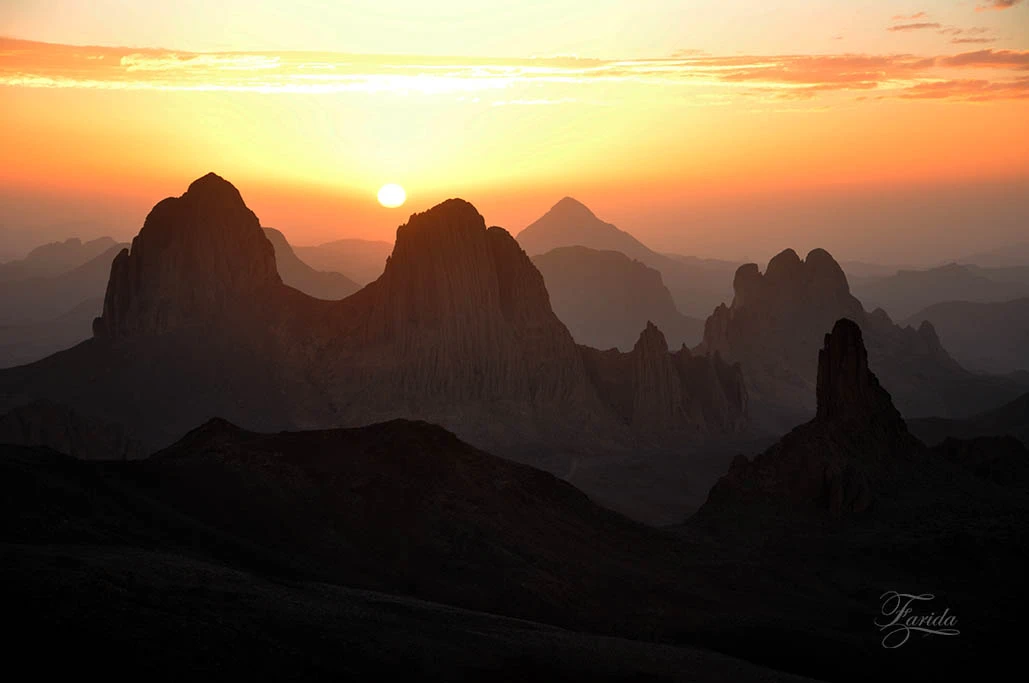
On the road to the ASSEKREM
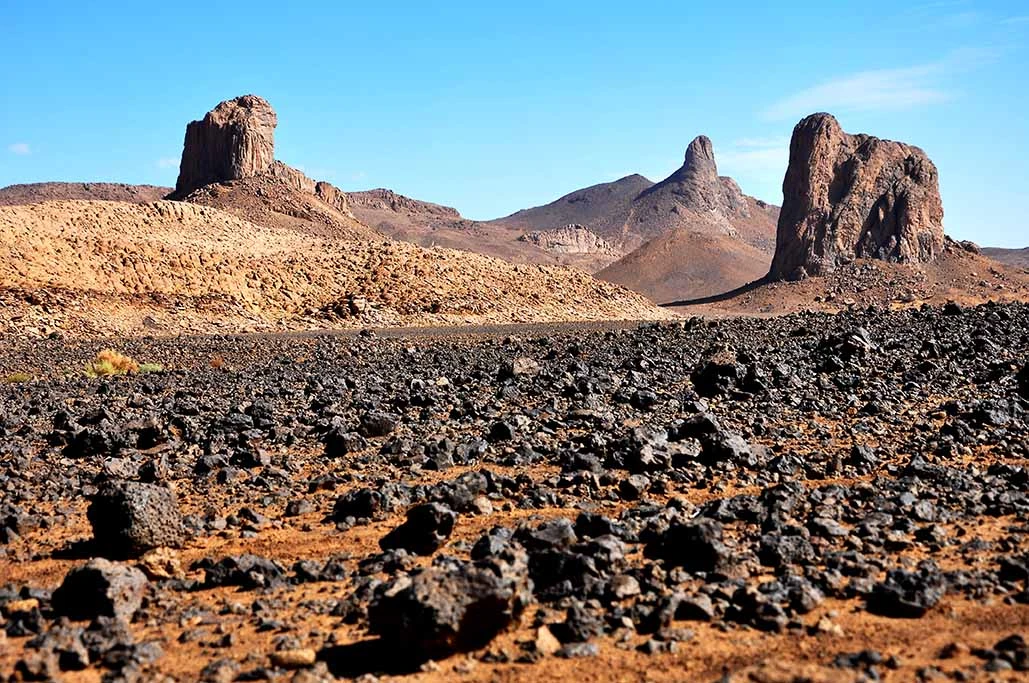
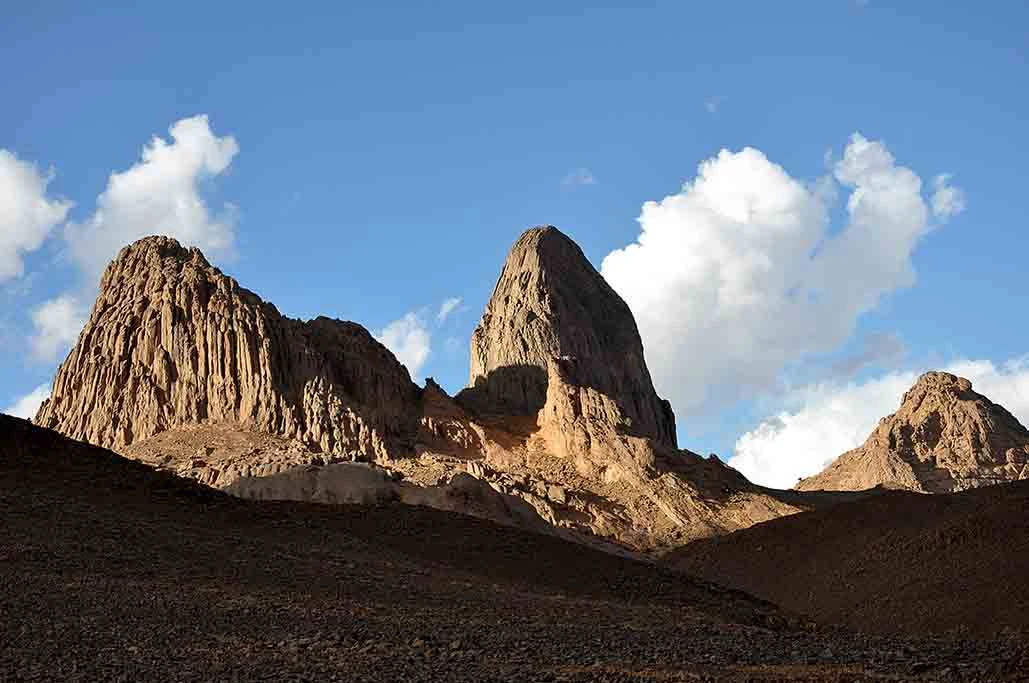
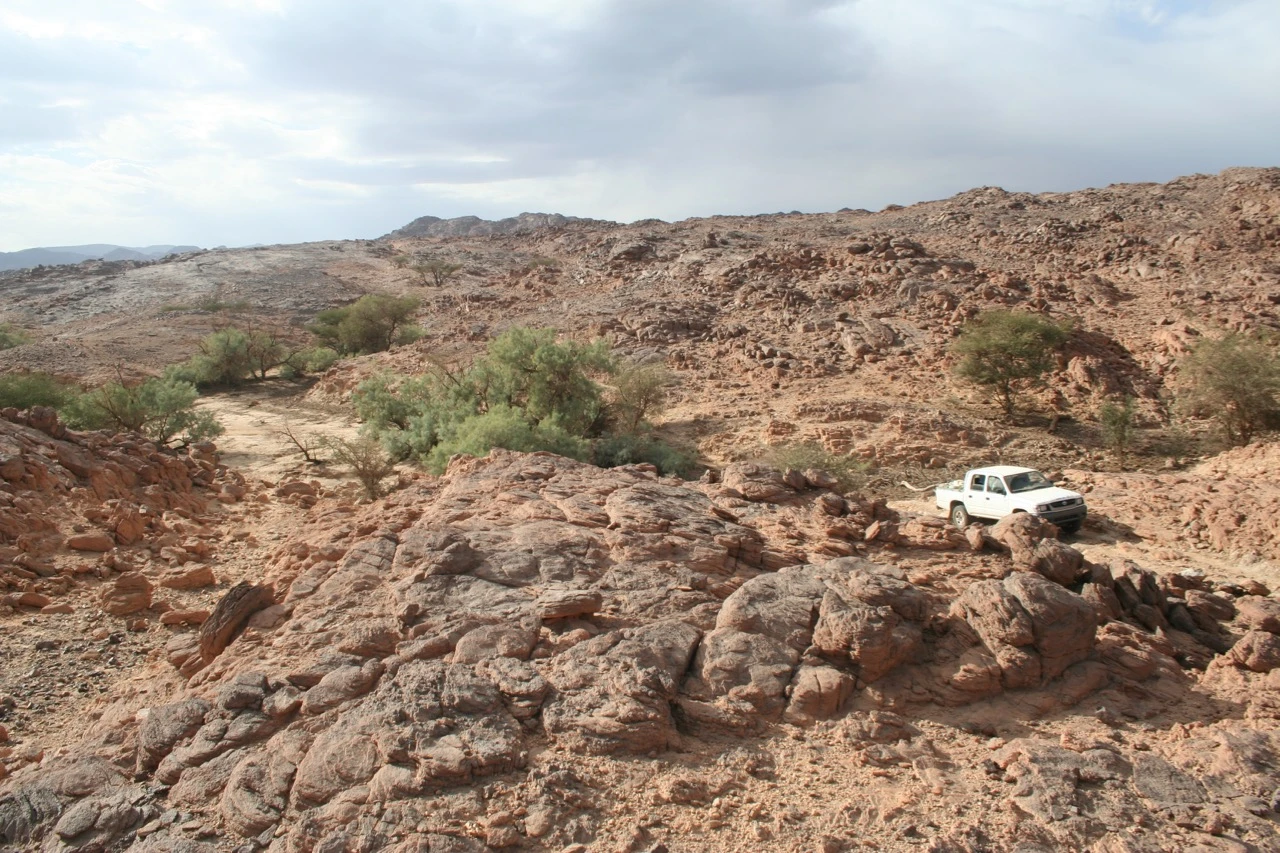
Rock painting of Tenkabrane
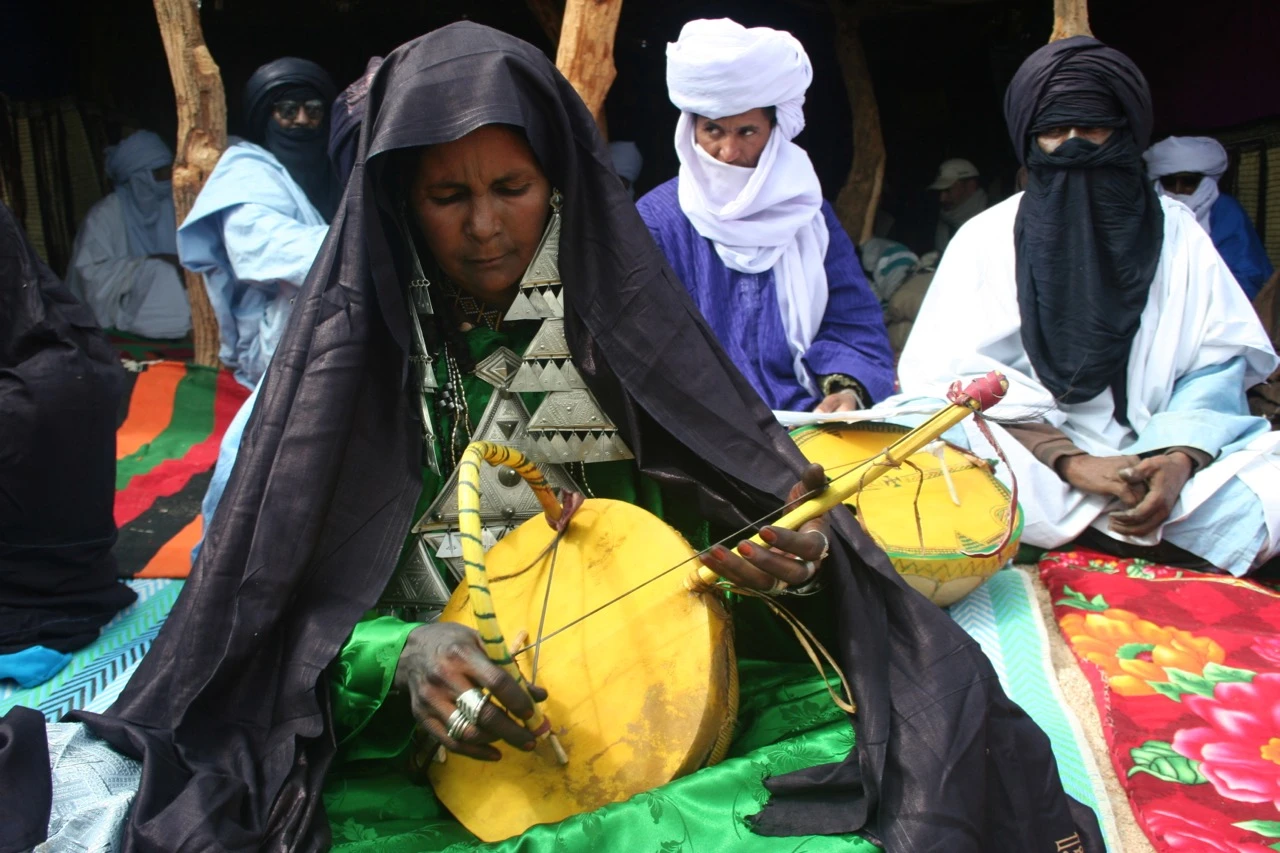
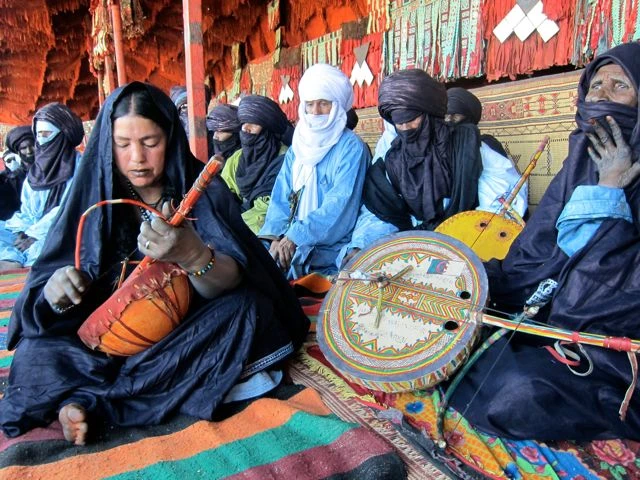
The music and poetry of the Tuareg world carry within them one of the most ancient traditions of humanity. The history of the inhabitants of the Saharan South goes back, it is true, to prehistory. The presence of the human being is attested by the presence of rock art, cultural remains and funerary sites (tumuli).
At Tenkabrane, not far from Tamanrasset, rock paintings dating from 1000 years before Christ depict musicians with a fiddle in their hands.